
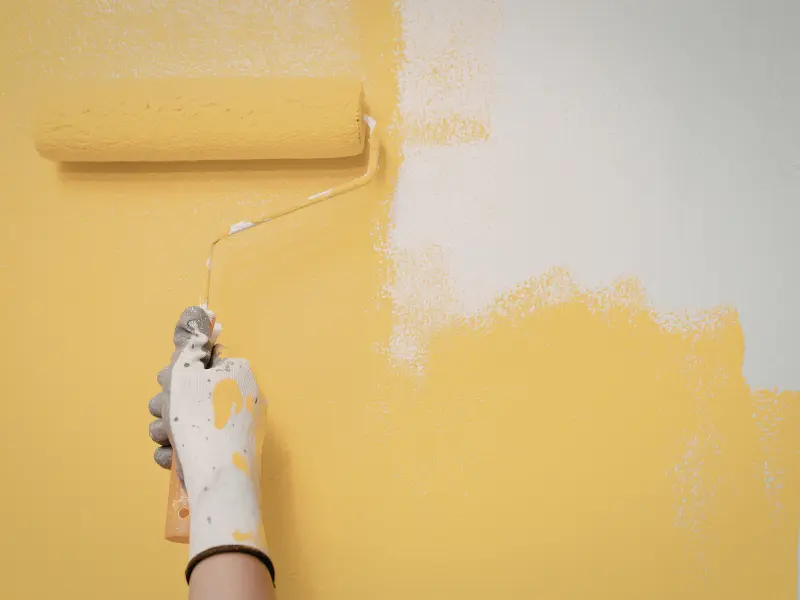
A painting plan built around the way the home is used
A strong house painting job starts before the first tin is opened. Rooms need to be assessed for wear, existing coatings, light levels and the amount of preparation that will actually improve the finish. Some homes need a quick decorative refresh in the right places, whilst others benefit from a more complete repaint so the rooms feel consistent again. The work is easier when there is a sensible order to it, the scope is clear from the start and each space is treated as part of a lived-in home rather than a blank shell.
Preparation that supports the finish instead of chasing it
Most of the difference between an ordinary repaint and a polished one comes from the groundwork. Scuffs, small dents, hairline cracks, rough filler lines and tired caulk joints all become more obvious once fresh paint goes on unless they are dealt with properly. We focus on cleaning, filling, sanding and spot-priming the surfaces that would otherwise pull attention away from the finished room. That approach helps the final coats sit more evenly and keeps the repaint from looking like a temporary cosmetic cover.
Practical choices for walls, ceilings, trim and touch points
Interior house painting is rarely just about choosing a colour. Different parts of the room are used differently, so the paint system should match the level of wear, the amount of moisture and how easy the surface needs to be to maintain. Hallways, family spaces and children’s rooms often call for a more hard-wearing finish than a lower-traffic bedroom, and doors or trim need coatings that stand up well to regular contact. Making those decisions early keeps the finished job balanced and easier to live with.
Working neatly in occupied rooms
A good interior painter should make progress without making the home feel chaotic. That means protecting floors and furniture carefully, keeping tools and materials organised and sequencing the work so that disruption stays manageable. If the repaint is happening in stages, the plan needs to reflect how the household actually moves through the property day to day. Clean working habits do not just protect the room during the job; they also signal that the detail work will be handled with the same level of care.
Details that sharpen the whole room
Even where the walls take up most of the visual space, the overall look depends on how well the details are handled. Straight cut lines, well-finished ceilings, tidy trim and doors that sit comfortably with the wall colour all make a room feel more finished. When those elements are considered together, the interior reads as a complete refresh rather than a patchwork of separate decorating decisions. That joined-up approach is especially useful when several rooms are being updated over the same project.
A better handover at the end of the job
The last stage matters just as much as the first. Fresh paint should be checked in good light, touch points reviewed and the room handed back in a way that feels complete. That includes making sure the surfaces look even, the edges are tidy and the client knows what to expect from drying and cure times. A clear finish to the project leaves the repaint feeling properly done and makes it easier to plan any follow-on rooms if the work is being completed in phases. It also gives the client a better sense of what was done to the surfaces before painting started, which areas may still be curing and how soon normal furniture placement can resume. That kind of close-out keeps expectations realistic and helps the result stay looking sharp once the room is fully back in use. It also gives future rooms a clearer benchmark, because the client can judge finishes, scheduling and disruption against a completed space instead of guessing how the rest of the project might feel.
Frequently asked questions
Answers to some of the questions people ask before they book.
Do you paint whole homes or single rooms?
Both. Some projects are full interior repaints, whilst others focus on the rooms that show wear first.
Can the work be planned around an occupied home?
Yes. A staged plan keeps disruption lower and makes it easier to work around everyday routines.
Do you prepare damaged surfaces before painting?
Yes. Filling, sanding, caulking and spot-priming are all part of getting the finish to look clean and consistent.
Can you help with finish choices?
Yes. We can recommend practical finishes based on how each room is used and how much wear it sees.