
Why woodwork shows rushed decorating so quickly
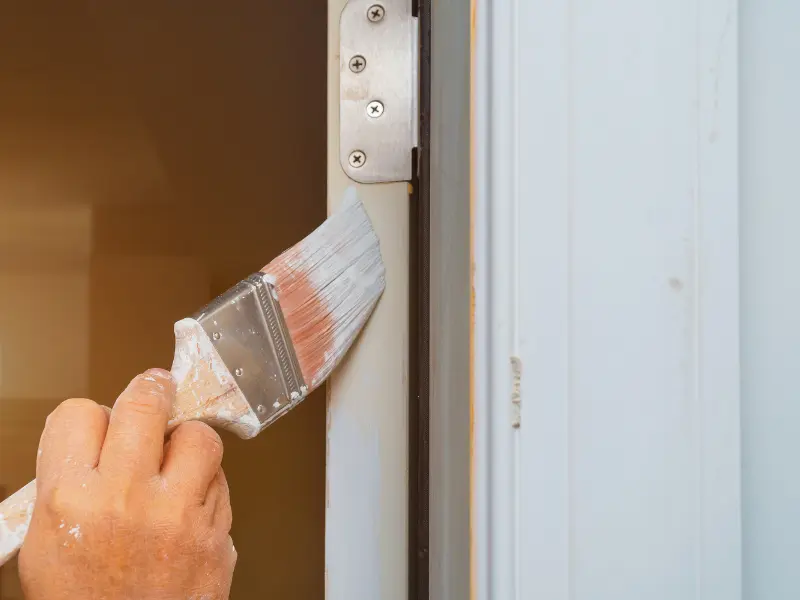
Trim and interior woodwork are some of the first places where a hurried paint job gives itself away. Brush marks, chips, heavy edges, drips around the hinges and uneven sheen all stand out because doors and trim sit at eye level and catch the light differently from broad wall surfaces. If the surrounding room has been freshened but the woodwork is left rough or yellowed, the whole space can still feel tired. That is why these details deserve their own preparation plan rather than being treated as an afterthought at the end.
Preparation for harder, glossier surfaces
Woodwork generally needs more groundwork than walls because it has often been painted several times before and the existing finish is usually tougher or shinier. Dirt, grease, wear at hand height and small chips from daily use all affect how new paint will sit. Cleaning, abrasion, filling and careful edge work give the fresh coating a better surface to bond to and help the final finish look smoother. Proper prep also reduces the chance of the repaint feeling thick, sticky or visually clumsy once everything dries.
Choosing the right look and level of durability
Doors, frames and trim are touched constantly, so the finish needs to cope with knocks and cleaning as well as it looks. A well-chosen sheen can sharpen the room and make the detail work feel intentional, but it should still suit the age of the woodwork and the wider decorating scheme. Good advice at this stage helps clients avoid finishes that are either too dull to lift the joinery or so glossy that every imperfection becomes more obvious. Practicality and appearance need to work together.
Crisp lines where surfaces meet
Woodwork painting rarely sits on its own. It meets walls, ceilings, glazing, floors and hardware, and those junctions are what make the job feel polished. Straight cut lines, consistent coverage and sensible handling around handles, latches and hinges all matter more than they seem to at first glance. When the brushwork is disciplined, the doors and trim frame the room neatly and help the larger painted surfaces look more refined. Those edge details are often what clients notice most once the room is back in use.
A practical upgrade without major building work
Refreshing tired doors and trim can change the feel of a room far more than many people expect. It is one of the most effective ways to modernise a dated interior, brighten darker joinery or make older detailing feel cleaner and better kept without replacing it. Because the existing elements stay in place, the value of the work depends on getting the preparation and finishing right. When handled properly, painted woodwork can support a wider room refresh without pushing the project into the cost and disruption of a renovation.
Finishing touches that hold up day to day
At the end of the job, woodwork should feel smooth, even and ready for regular use. That means paying attention to drying times, checking the surfaces in side light and making sure the high-contact areas have been finished cleanly. A tidy final handover matters here because these are the surfaces people touch most often. When the doors close cleanly, the trim looks crisp and the paint sits well across the room, the result feels deliberate and durable rather than like a quick cosmetic pass. It also means the client understands when hardware can be used normally again and how to avoid marking newly finished edges while the coatings continue to harden. Those last practical details help the joinery stay looking fresh once everyday traffic returns to the room. They also make the finished woodwork easier to live with, because the surfaces feel considered, durable and ready for normal use instead of delicate or unfinished. That extra care tends to show up every time the room is opened, closed or walked through.
Frequently asked questions
Answers to some of the questions people ask before they book.
What woodwork can be included in this service?
Doors, frames, skirting, trim, mouldings and other interior painted woodwork can all be refreshed as part of the scope.
Do older glossy finishes need sanding first?
Usually, yes. A sound but glossy surface normally needs cleaning and abrasion so the new finish can bond properly.
Can repainting woodwork modernise a room?
Yes. Fresh doors and trim often make the whole room look cleaner and more current.
Are durable finishes available for high-touch areas?
Yes. The paint system can be chosen with regular handling and easier maintenance in mind.